AI Development: Four Questions So Model Talk Doesn't Replace Delivery

1. Two threads get twisted into one
When you search AI development, you mostly see models, leaderboards, capabilities; what actually ships is another thread: product path, production metrics, runtime ownership, and whether budget tracks the roadmap. If those collapse into “we use the strongest model,” the usual failure mode isn’t raw tech—it’s acceptance mismatch, ops ambiguity, and budget detached from releases—hidden engineering tax in meetings. Four questions below separate delivery boundaries before you debate vendors and versions.
2. Boundary 1: inference works vs user job-to-be-done
A demo where the model answers sample prompts isn’t the same as users reliably finishing end-to-end tasks in your product. The Full AI Project Flow: From Requirements to Launch is a chain; if the chain skips “entry to exit,” AI development is an API hook, not a shippable capability. Draw the main path first—then talk model versions.
3. Boundary 2: demo metrics vs production metrics
Internal decks love accuracy and cherry-picked chats; production needs latency, failure modes, rollback, observability. 5 Early Warning Signs of Low-Quality Delivery hits AI programs often; 5 Pitfalls When Using AI for Projects says lock requirements and evaluation early. Minimum: write a small set of production-lean metrics into milestones—even v1 coarse is fine.
4. Boundary 3: who builds the sandbox, who carries incidents
Experiments can be fast; production needs a RACI: who edits prompts, who approves release, who is tier-1 on-call. Using AI for Projects: Build In-House vs Outsource vs Pro Team is the structural view; day-to-day it’s whether roles are named. For predictable collaboration, Why Flat Monthly Fee Engineering Fits Growing Teams applies to “who owns production.”
5. Boundary 4: model budget vs product roadmap on one calendar
Model and token subscriptions auto-renew; product cadence often lives in another set of meetings. If tools already hit the PO, After AI Dev Tools Hit the PO: Four Questions for Procurement and Engineering aligns budget and engineering expectations; here we only add: AI development budget lines should name which release milestones they serve, not only “annual subscription.”
6. Wrap-up
AI development isn’t “wire the strongest model.” Split product closure, production metrics, runtime ownership, budget vs roadmap—then model narrative won’t replace delivery. Book a Discovery Call to walk your charter, or see plans and pricing for flat-fee / sprint boundaries.
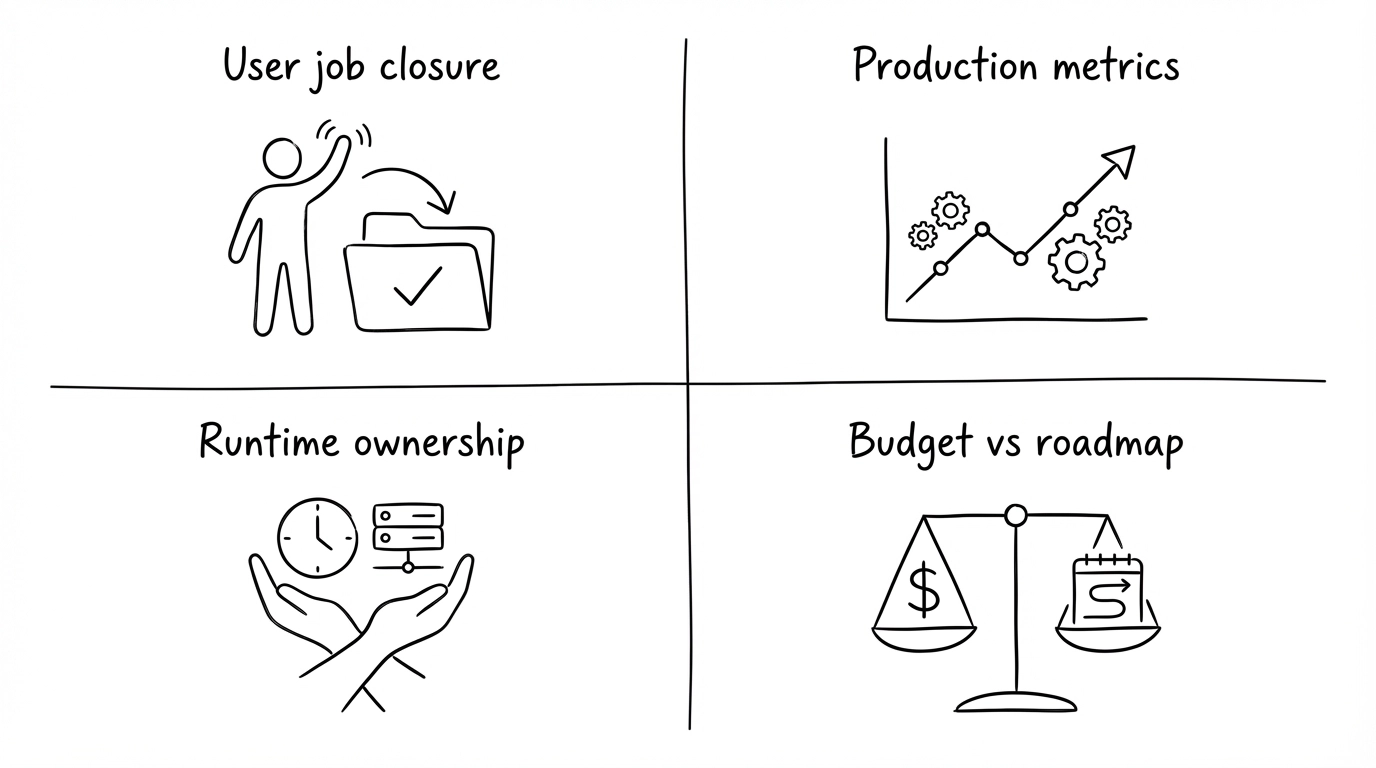 Fig 1: Four boundaries—then debate models and vendors.
In short: In AI development, ask delivery boundaries before model versions.
Want to run projects with AI and skip the trial-and-error? Uranus Lab wires multiple tools along requirements → docs → development → retro, with people and AI working together for smooth, fast delivery. Learn more or book a discovery call / get a free quote.
Ready to Build?
Stop building AI wrappers. Build defensible IP with a dedicated engineering pod.