3 Pitfalls in Web3 Outsourcing: Security, Timeline, Handoff
1. Why "pitfalls" in Web3 outsourcing become a hidden cost
When you outsource Web3 work, security gaps, timeline slip, and handoff that doesn’t work—these pitfalls turn into "tax" that never shows up in the contract: fixing vulnerabilities, making up for delays, rediscovering code and access. Identify common pitfalls and avoid them to reduce hidden Web3 costs. We do Web3 projects with the same promise—less hidden costs, a flat monthly fee, and predictable delivery. Below, we list the three we see most often: security, timeline, and handoff. No judgment on outsourcing; we just spell out what usually happens and how to reduce it. If you want to avoid these and size up your Web3 tax, there’s a path at the end.
2. Pitfall 1: Security — contract, audit, attack surface
What happens: Contract bugs, missing or lagging audits, and an attack surface not thought through; you get exploited after launch or scramble for patches. The cost of fixing security issues rarely appears in the initial quote, and fixing them after the fact is costlier than checking before.
How to avoid it: Build security and audit into the process—what needs checking gets checked, what needs fixing gets fixed—so you do less "discover it on mainnet" rework. When we do Web3 projects, the process includes security and audit; we complete those steps before going live, so fewer surprises.
3. Pitfall 2: Timeline — requirements, chain & environment, alignment
What happens: Unclear requirements, chain or environment mismatches, front-end and contracts or off-chain logic out of sync; rounds of rework, delivery slips, time and money lost. Reporting is messy—"when will we actually deliver?" is unclear.
How to avoid it: Align requirements → docs → design → development up front; agree on chain, environment, and interfaces; make delivery rhythm predictable. We run the process with outputs and sign-offs at each step, so less rework and fewer delays.
4. Pitfall 3: Handoff — docs, access, continuity
What happens: When the project ends, maintenance is hard; the docs are thin; knowledge or access sits with one or two people. Taking over yourself or bringing in another team means rediscovering everything—more cost, usually not in the contract.
How to avoid it: Make code, docs, and access handoff-ready; deliver in a way that can be continued. We deliver code, docs, and access so you can maintain or hand off to another team with something to work from.
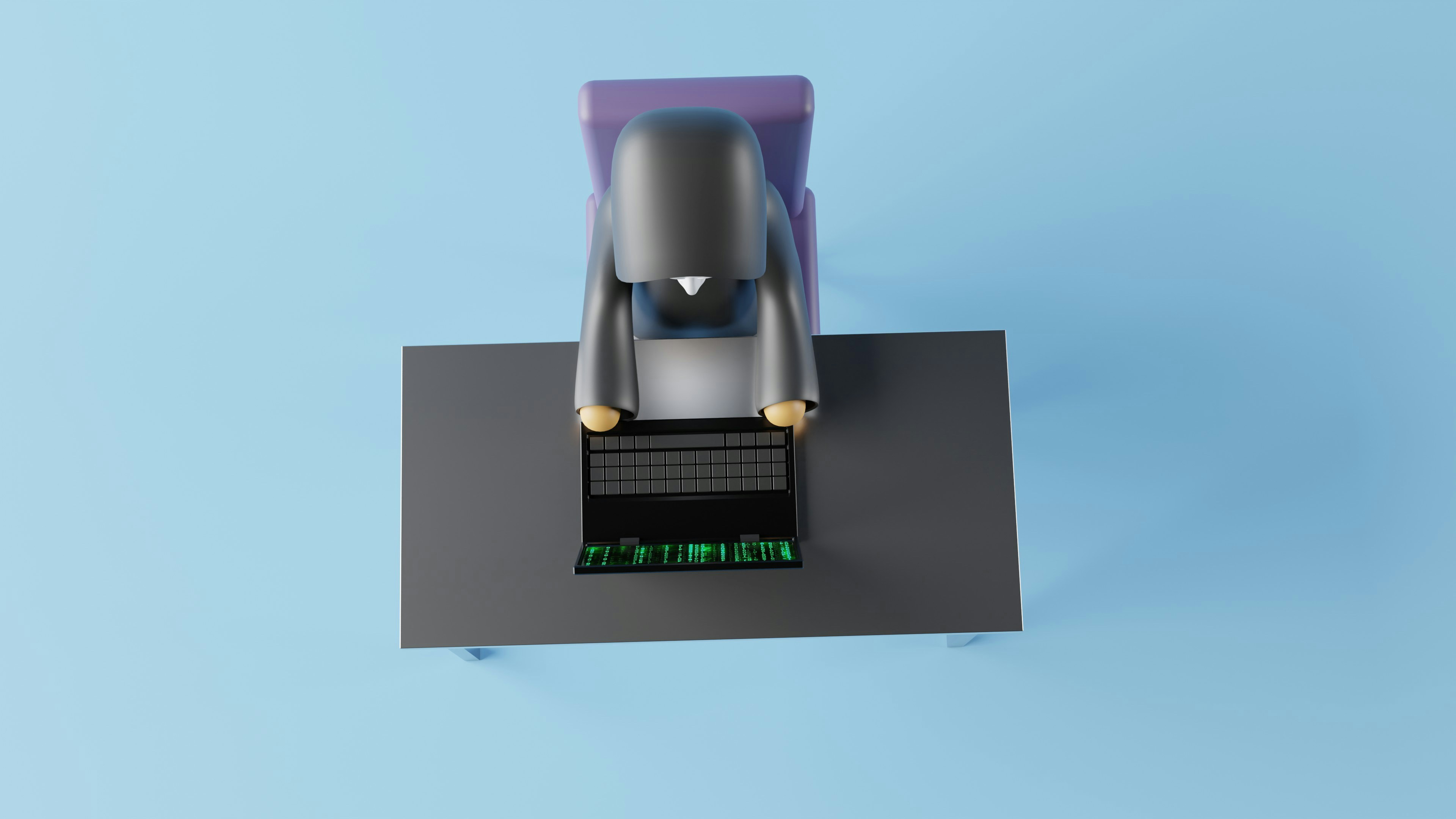
Fig 1: Three common pitfalls in Web3 outsourcing—security, timeline, and handoff; avoid them to pay less hidden cost. We do Web3 and control them with a process.
5. Wrap-up
In short, Web3 outsourcing often goes wrong with security, timelines, and handoffs; identify these issues and avoid them to cut hidden costs. We do Web3 projects with the same promise—less hidden costs, a flat fee, and predictable delivery. Want to avoid these and size up your Web3 tax? Book a free 30-minute call, and we can go through it.
Been burned by Web3 outsourcing or want to avoid these pitfalls? Book a free 30-minute call, and we can size up your Web3 hidden cost. Want predictable cost, a flat monthly fee, no surprises? See our plan and how we run pricing and sprints.
Want to run projects with AI and skip the trial-and-error? Uranus Lab wires multiple AI tools along requirements → docs → development → retro, with people and AI working together for smooth, fast delivery. We do AI and Web3 projects—the same promise. Learn more or book a discovery call for a quote.
Ready to Build?
Stop building AI wrappers. Build defensible IP with a dedicated engineering pod.